
Prescription needed
We'll collect your vet's information at checkout to verify the prescription.

| Order Type | Subtotal1 | Shipping |
|---|---|---|
| Rx AutoShip2 | Over $30 | FREE! |
| Rx or OTC3 | Over $49 | FREE! |
| Rx or OTC | Under $49 | $6.95 Flat Rate |
Automatically applied at checkout!

Website feeling a little "ruff"? That's because Interner Explorer is being phased out as a browser and limits functionality on Allivet, as well as most sites on the Internet. To continue having a great Allivet experience, please use a different browser, such as the latest versions of Chrome, Safari, or Firefox. So take a moment right now to switch browsers, then continue fetching great products for your furry friends!


Spend $100 on Rx

AutoShip Makes Pet Parenting Easier with automatic delivery and savings on every order!

Convenience: We contact your vet when it’s time to renew your pet’s prescription.

Reminders: You’ll receive reminders prior to shipping, so you’ll have time to make changes.

Savings: Save on the initial order PLUS 5% on future deliveries.

Free Shipping: Rx orders over $30 ship free and other qualifying orders over $49.

Flexibility: Easily change, skip, or cancel anytime on your My AutoShip page.

Support: Our Pet Pharmacy Specialists are here to help with any questions or concerns.

AutoShip Makes Pet Parenting Easier with automatic delivery and savings on every order!

Convenience: We contact your vet clinic when it’s time to renew your pet’s prescription.

Reminders: You’ll receive reminders prior to shipping, so you’ll have time to make changes.

Savings: Save on the initial order PLUS 5% on future deliveries.

Free Shipping: Rx orders over $30 ship free and other qualifying orders over $49.

Flexibility: Easily change, skip, or cancel anytime on your My AutoShip page.

Support: Our Pet Pharmacy Specialists are here to help with any questions or concerns.


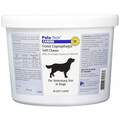
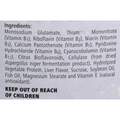
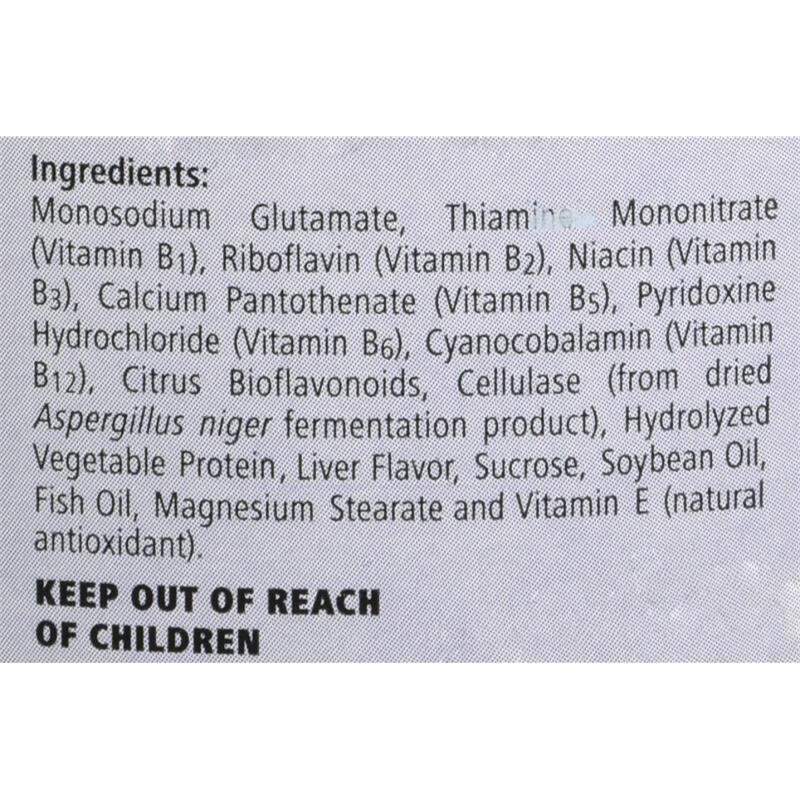
Usually shipped in 1-3 business days.* Learn more

We'll collect your vet's information at checkout to verify the prescription.
Usually shipped in 1-3 business days.* Learn more
$30 max savings.
Bought for poop eating puppy. Hope it works!!
Works better than anything else