
Prescription needed
We'll collect your vet's information at checkout to verify the prescription.

| Order Type | Subtotal1 | Shipping |
|---|---|---|
| Rx AutoShip2 | Over $30 | FREE! |
| Rx Vet Diet AutoShip2 | Over $30 | FREE! |
| Rx, Rx Vet Diet or OTC3 | Over $49 | FREE! |
| Rx, Rx Vet Diet or OTC | Under $49 | $6.95 Flat Rate |
Automatically applied at checkout!

Website feeling a little "ruff"? That's because Interner Explorer is being phased out as a browser and limits functionality on Allivet, as well as most sites on the Internet. To continue having a great Allivet experience, please use a different browser, such as the latest versions of Chrome, Safari, or Firefox. So take a moment right now to switch browsers, then continue fetching great products for your furry friends!

AutoShip Makes Pet Parenting Easier with automatic delivery and savings on every order!

Convenience: We contact your vet clinic when it’s time to renew your pet’s prescription.

Reminders: You’ll receive reminders prior to shipping, so you’ll have time to make changes.

Savings: Save on the initial order PLUS 5% on future deliveries.

Free Shipping: Rx orders over $30 ship free and other qualifying orders over $49.

Flexibility: Easily change, skip, or cancel anytime on your My AutoShip page.

Support: Our Pet Pharmacy Specialists are here to help with any questions or concerns.


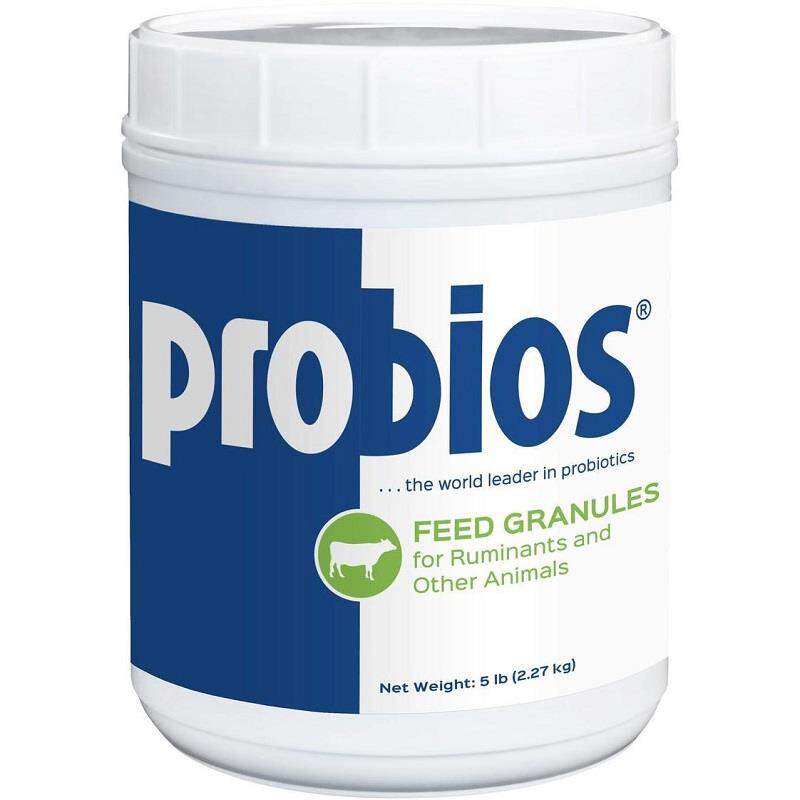
Usually shipped in 1-3 business days.* Learn more
$30 max savings.

We'll collect your vet's information at checkout to verify the prescription.
Usually shipped in 1-3 business days.* Learn more
$30 max savings.
ANIMAL | AGE | DOSAGE* |
BEEF | Calves | 5 g/head/day in starter ration |
Incoming Feedlot/ | 10 g/head/day in ration | |
Low Intake/Stale/ | 30 g/head/day for 3 days | |
DAIRY | Heifers | 5 g/head/day in ration |
Cows | 5 g/head/day pre-freshening through peak lactation | |
Hospital | 10 g/head/day | |
During Environmental Stress/Heat or Cold | 10 g/head/day | |
SWINE | Sows | 10 g/head/day two weeks prior to farrowing and during rotation |
Starter/grower | 5 g/head/day in ration | |
EQUINE | Foals | 5 g/head/day in ration |
Horses-Adult | 5 g/head/day in ration | |
Training/Racing | 5 g/head/day in ration | |
SHEEP/GOATS | 5 g/head/day in starter ration | |
ANIMAL | AGE | DOSAGE* |
BEEF | Calves | 5 g/head/day in starter ration |
Incoming Feedlot/ | 10 g/head/day in ration | |
Low Intake/Stale/ | 30 g/head/day for 3 days | |
DAIRY | Heifers | 5 g/head/day in ration |
Cows | 5 g/head/day pre-freshening through peak lactation | |
Hospital | 10 g/head/day | |
During Environmental Stress/Heat or Cold | 10 g/head/day | |
SWINE | Sows | 10 g/head/day two weeks prior to farrowing and during rotation |
Starter/grower | 5 g/head/day in ration | |
EQUINE | Foals | 5 g/head/day in ration |
Horses-Adult | 5 g/head/day in ration | |
Training/Racing | 5 g/head/day in ration | |
SHEEP/GOATS | 5 g/head/day in starter ration | |
 Probioticsare live beneficial bacteria that help the digestive system. In normal, healthy situations, the various bacteria in the fermentation vat that is the horse are in an equalized state and exist in harmony. A horse's cecum, the pouch connected to the large intestine, contains beneficial microorganisms that process the food that is consumed. The horse usually receives a resupply of bacteria from its environment through grazing, and so called good and bad bacteria live in balance. Horses under stress, however, are at risk of having and upset balance to their bacteria and are at a greater risk for bacterial toxin related illnesses. This population for microorganisms should remain stable as long as the horse isn’t stressed, not given antibiotics, or does not face any changes in its routine.
ANIMAL | AGE | DOSAGE* |
BEEF | Calves | 5 g/head/day in starter ration |
Incoming Feedlot/ | 10 g/head/day in ration | |
Low Intake/Stale/ | 30 g/head/day for 3 days | |
DAIRY | Heifers | 5 g/head/day in ration |
Cows | 5 g/head/day pre-freshening through peak lactation | |
Hospital | 10 g/head/day | |
During Environmental Stress/Heat or Cold | 10 g/head/day | |
SWINE | Sows | 10 g/head/day two weeks prior to farrowing and during rotation |
Starter/grower | 5 g/head/day in ration | |
EQUINE | Foals | 5 g/head/day in ration |
Horses-Adult | 5 g/head/day in ration | |
Training/Racing | 5 g/head/day in ration | |
SHEEP/GOATS | 5 g/head/day in starter ration | |
Probioticsare live beneficial bacteria that help the digestive system. In normal, healthy situations, the various bacteria in the fermentation vat that is the horse are in an equalized state and exist in harmony. A horse's cecum, the pouch connected to the large intestine, contains beneficial microorganisms that process the food that is consumed. The horse usually receives a resupply of bacteria from its environment through grazing, and so called good and bad bacteria live in balance. Horses under stress, however, are at risk of having and upset balance to their bacteria and are at a greater risk for bacterial toxin related illnesses. This population for microorganisms should remain stable as long as the horse isn’t stressed, not given antibiotics, or does not face any changes in its routine.